
Hand squeezing gun
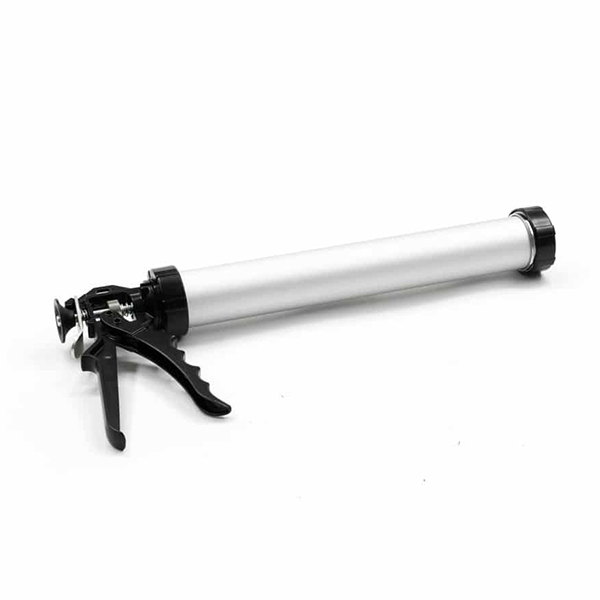
Product information "Hand squeezing gun"
Hand squeeze gun
The professional hand squeeze gun is made of a sturdy aluminum-steel housing. The good workmanship ensures a reliable and even flow of material.
Application instructions using the example of InnoElast®
- The substrate must be grease-free, clean and load-bearing. The substrate may be damp, an adhesive primer is usually not required. Apply backfill material (prevents 3- flank adhesion, saves material). Joints should be sufficiently thick or wide >10 mm, maximum width is 5 cm.
- InnoElast® is supplied in 600 ml tubular bags and is filled evenly into the joint using a tubular bag gun. Pull off the sealant smoothly and allow to cure. The curing time depends on the temperature and humidity. Attention!!! If release agents are used, they must not be water-based.
Login
Dazu passt
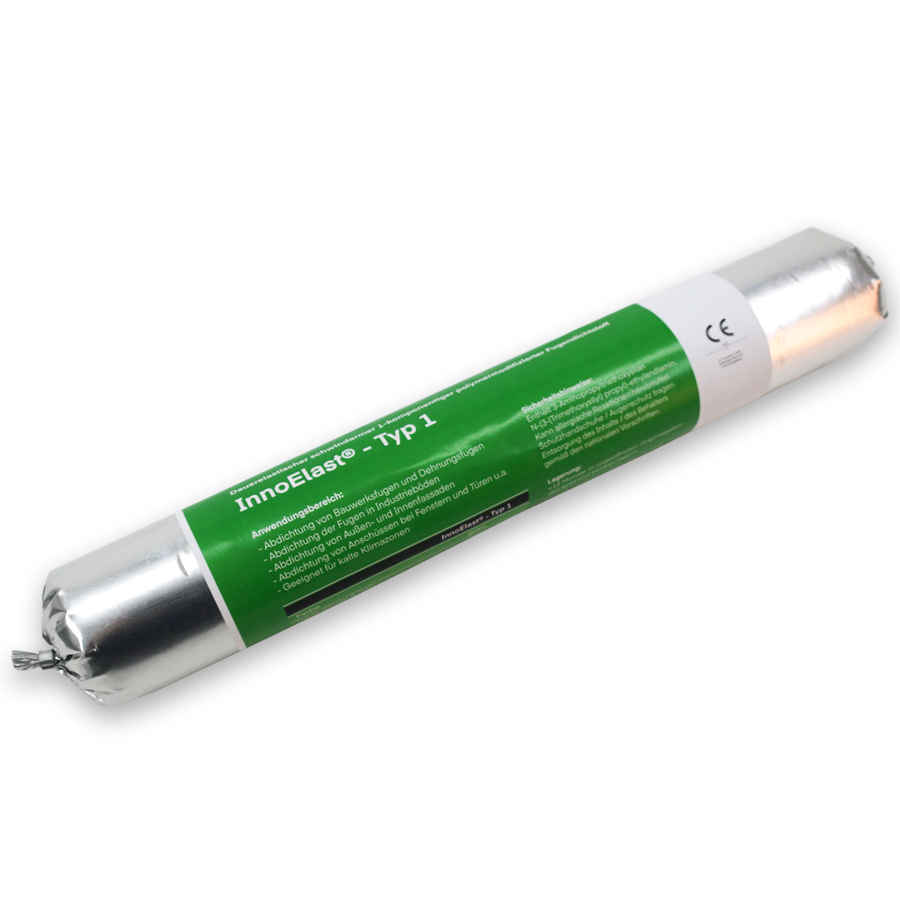
InnoElast® It is precisely the small gaps between different materials that allow moisture to get inside rooms or walls and cause damage. The consequences, such as dangerous mold growth, can be prevented easily and quickly. With InnoElast® Type 1 from BT innovation, the gaps can be reliably sealed. This prevents any penetration of moisture. Whether applied to structural joints, facade joints, doors and windows, walkways or bathrooms, InnoElast® Type 1 shows good adhesion to almost all surfaces. Materials such as steel, aluminum, stone or wood pose no challenge to the sealant. In addition, it can also be applied to matt damp substrates indoors and outdoors. InnoElast® does not lose its special sealing properties as a result. In addition to the possibilities of closing joints, the sealant can also seal and bond pipes. Application: Using a tubular bag gun, InnoElast® Type 1 is applied to a clean substrate and then cures effectively. The skin formation time is between 2 and 3 hours at a room temperature of 23°C and a humidity of 50%, the through-curing time is 3mm in 24 hours. A primer/undercoat is not required beforehand. However, it is recommended to insert a joint filler cord and tape the edges. By pressing and smoothing, a firm bond is created with the joint edges. All advantages of InnoElast® Type 1 1-component sealant Almost non-shrinking & permanently elastic No primer required Can also be applied to damp substrates Processing from -3°C on ice-free surfaces Solvent & Isocyanate-free High initial adhesion even in fresh state Weather and UV resistant Paint compatible Can be combined with other Elast products and bitumen compatible Applications Movement and connection joints in the entire construction area (interior and exterior, concrete, wood, metal, facade and roof construction) Adhesive for the ProElast® system Permanently elastic sealant according to DIN EN 15651-1, -4 and in building construction according to DIN 18540-F Variants of InnoElast® Art.-Nr. Product Description Info 5004113 InnoElast® type 1 gray*, 600 ml tubular bag Sealant and adhesive with special polymer Joint thickness 10 mm < x <50 mm 5004115 InnoElast® Type 2 black*, 600 ml tubular bag Sealant and adhesive with special polymer Joint thickness 10 mm < x <50 mm *other colors possible for batch orders
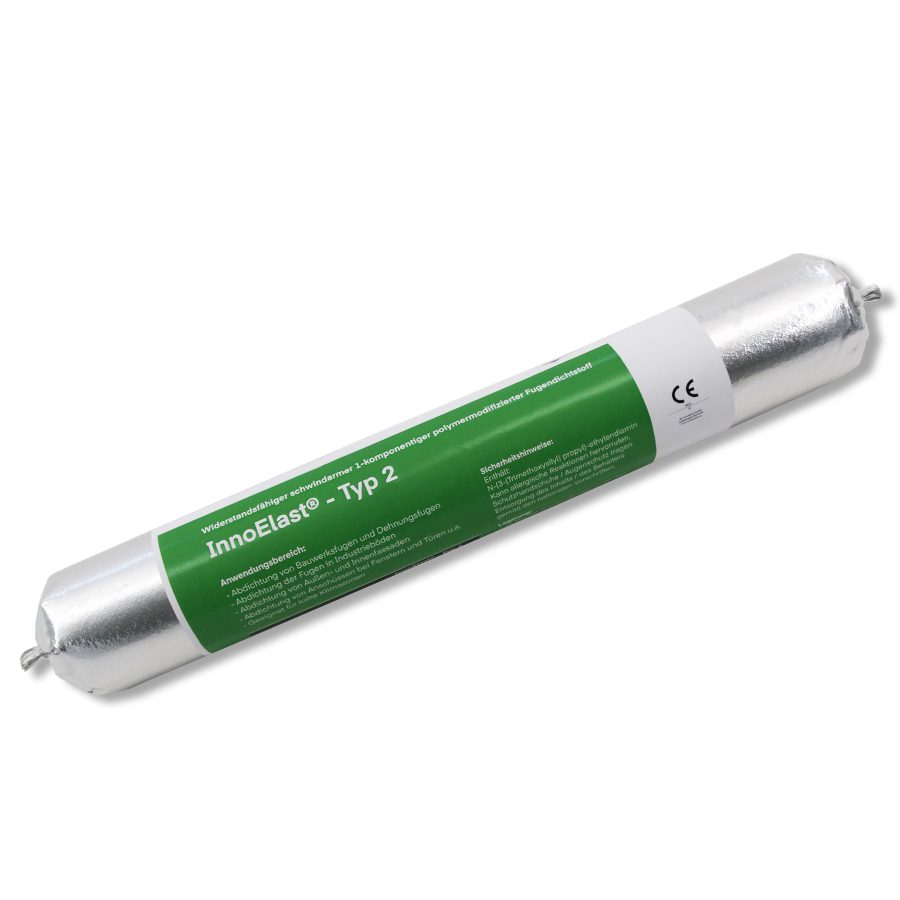
InnoElast® Type 2 InnoElast® Type 2 is a 1-component, permanently elastic adhesive and sealant for highly stressed joints in the entire construction sector in accordance with DIN EN 15651-1. InnoElast® Type 2 adheres to many materials without primer and seals joints up to 4.80 m watertight under pressure. Product features 1-component adhesive and sealant Good spraying properties No primer required Can also be applied to damp substrates Can be applied from -3°C on ice-free surfaces Solvent and isocyanate free Very high initial adhesion even in fresh condition Weather and UV resistant Compatible with paints High chemical resistance Can be combined with other Elast products (bitumen compatible) Applications Adhesive and sealant for highly stressed joints in the entire construction sector (interior and exterior for concrete, wood and metal without primer). Permanently elastic sealant for facades and roofs according to DIN EN 15651 1. Waterproofing of basements and in civil engineering against pressing water, tested up to 4.80 m For repair and sealing of defects Adhesive for the ProElast® system Article data & delivery form InnoElast® Type II 5004115 - black in 600 ml tubular bag 5004247 - grey in 600 ml tubular bag (on request) 5004258 - grey in 400 ml tubular bag (on request) Surface preparation Substrates must be solid and load-bearing and free from dust, grease, oils and other separating materials. The substrate must be damp, but not wet with a visible film. Suitable substrates are concrete and other mineral building materials as well as, among others, plasterboard, wood, metals, PVC, ceramics, bitumen, etc. In case of doubt, we recommend a preliminary test. Processing InnoElast® is applied directly using a squeeze gun. Priming is not necessary with suitable substrates. For joint sealing, ensure a sufficiently wide (≥5 mm) and sufficiently deep (≥ 10 mm and ≥ ½Width) joint formation. A 3-flank adhesion to the joint base is to be prevented by inserting a suitable joint filling cord or a strip of polyethylene. It is recommended to tape the joint edges with adhesive tape. The sealant must be applied to the joint without voids or bubbles. A good bond with the joint edges must be achieved by pressing and smoothing. Pure liquid soaps (not diluted with water), e.g. washing-up liquid, are suitable as smoothing agents. Remove the adhesive tape immediately after smoothing. The maximum sealant thickness in one work step should not exceed 5 cm. When used as an adhesive, InnoElast® is applied evenly to the bonding surface and spread with a notched trowel in a layer thickness of 1 to 2 mm. Ensure that the bond is free of cavities and bubbles by pressing on the entire surface. Large-surface bonding with InnoElast® requires a moisture-permeable substrate. For impermeable substrates, we recommend the use of FlächenElast® adhesive and sealant with artificial hardener. For tight bonding of the ProElast® sheet, please observe the processing instructions in the "ProElast® System" data sheet. In cases of doubt regarding substrate preparation and processing, we recommend a preliminary test. Aftercare Protect InnoElast® from moisture during the period of stable skin formation. For subsequent painting, we recommend carrying out your own tests due to the wide range of possible painting systems. InnoElast® Type 2 is compatible with paint according to DIN 52452 Part 4.
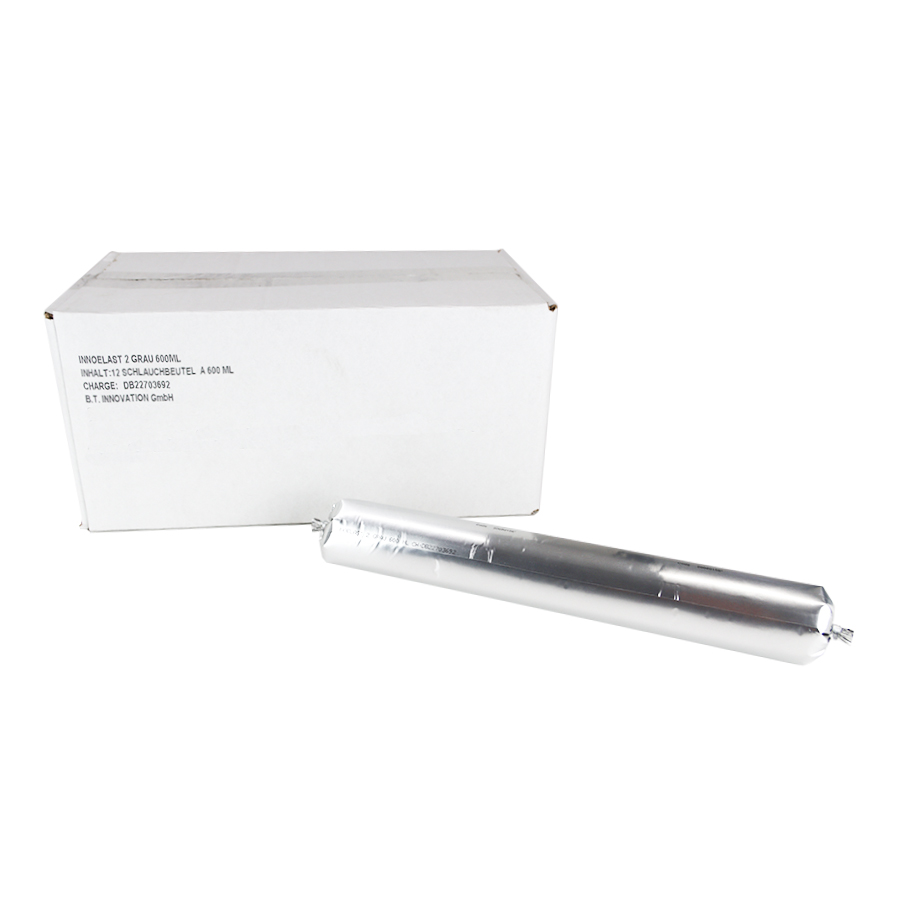
InnoElast® Type 2 InnoElast® Type 2 is a 1-component, permanently elastic adhesive and sealant for highly stressed joints in the entire construction sector in accordance with DIN EN 15651-1. InnoElast® Type 2 adheres to many materials without primer and seals joints up to 4.80 m watertight under pressure. Product features 1-component adhesive and sealant Good spraying properties No primer required Can also be applied to damp substrates Can be applied from -3°C on ice-free surfaces Solvent and isocyanate free Very high initial adhesion even in fresh condition Weather and UV resistant Compatible with paints High chemical resistance Can be combined with other Elast products (bitumen compatible) Applications Adhesive and sealant for highly stressed joints in the entire construction sector (interior and exterior for concrete, wood and metal without primer). Permanently elastic sealant for facades and roofs according to DIN EN 15651 1. Waterproofing of basements and in civil engineering against pressing water, tested up to 4.80 m For repair and sealing of defects Adhesive for the ProElast® system Article data & delivery form InnoElast® Type II 5004115 - black in 600 ml tubular bag 5004247 - grey in 600 ml tubular bag (on request) 5004258 - grey in 400 ml tubular bag (on request) Surface preparation Substrates must be solid and load-bearing and free from dust, grease, oils and other separating materials. The substrate must be damp, but not wet with a visible film. Suitable substrates are concrete and other mineral building materials as well as, among others, plasterboard, wood, metals, PVC, ceramics, bitumen, etc. In case of doubt, we recommend a preliminary test. Processing InnoElast® is applied directly using a squeeze gun. Priming is not necessary with suitable substrates. For joint sealing, ensure a sufficiently wide (≥5 mm) and sufficiently deep (≥ 10 mm and ≥ ½Width) joint formation. A 3-flank adhesion to the joint base is to be prevented by inserting a suitable joint filling cord or a strip of polyethylene. It is recommended to tape the joint edges with adhesive tape. The sealant must be applied to the joint without voids or bubbles. A good bond with the joint edges must be achieved by pressing and smoothing. Pure liquid soaps (not diluted with water), e.g. washing-up liquid, are suitable as smoothing agents. Remove the adhesive tape immediately after smoothing. The maximum sealant thickness in one work step should not exceed 5 cm. When used as an adhesive, InnoElast® is applied evenly to the bonding surface and spread with a notched trowel in a layer thickness of 1 to 2 mm. Ensure that the bond is free of cavities and bubbles by pressing on the entire surface. Large-surface bonding with InnoElast® requires a moisture-permeable substrate. For impermeable substrates, we recommend the use of FlächenElast® adhesive and sealant with artificial hardener. For tight bonding of the ProElast® sheet, please observe the processing instructions in the "ProElast® System" data sheet. In cases of doubt regarding substrate preparation and processing, we recommend a preliminary test. Aftercare Protect InnoElast® from moisture during the period of stable skin formation. For subsequent painting, we recommend carrying out your own tests due to the wide range of possible painting systems. InnoElast® Type 2 is compatible with paint according to DIN 52452 Part 4.